Capybara Fun Facts: The World’s Largest Rodent and Its Hidden Superpowers
You might know the capybara as the world’s largest rodent—weighing up to 150 pounds and capable of swimming like a seal—but its social intelligence and survival tricks make it far more fascinating. These semi-aquatic rodents thrive in South American wetlands, where their ability to sleep standing up, communicate in complex vocalizations, and even form tight-knit family groups sets them apart from other animals. Their adaptability isn’t just a quirk; it’s a survival strategy honed over millennia, offering lessons for how species—and humans—can coexist with changing environments.
Why Capybaras Are the Unsung Heroes of Wetland Ecology
Capybaras aren’t just charming; they’re ecosystem engineers. Their grazing habits clear vegetation, creating pathways for other animals while their droppings fertilize the soil, supporting plant diversity. Unlike many rodents, they don’t hoard food or build elaborate nests—they rely on their social bonds to keep watch for predators. This cooperative behavior isn’t just efficient; it’s a model for how communities can function without hierarchy. In regions where wetlands are shrinking, their presence signals a healthy, balanced habitat.
The Science Behind Their Superpowers
What makes capybaras stand out isn’t just their size but their physiological adaptations. Their webbed feet and dense fur allow them to stay submerged for minutes, making them excellent swimmers. Their slow metabolism means they can go days without food, a trait that’s become more critical as human development encroaches on their natural ranges. Even their sleep patterns—often standing in shallow water—are a defense mechanism against predators. These traits aren’t random; they’re the result of millions of years of evolution in unpredictable environments.
Common Misconceptions About Capybaras
Many people assume capybaras are just "giant guinea pigs," but their behavior and biology tell a different story. For instance, while guinea pigs are solitary, capybaras live in groups of up to 20, with strong social hierarchies. Another myth is that they’re aggressive; in reality, they’re generally docile, using their size and social bonds to deter threats. Even their diet—mostly grasses and aquatic plants—is often misunderstood; they’re not picky eaters but highly selective, choosing foods that support their energy needs in wetland conditions.
How Their Behavior Can Inspire Human Problem-Solving
The capybara’s ability to thrive in groups without dominant leaders offers a counterpoint to traditional human work cultures. Studies of their social structures show that cooperation, not competition, drives their success. In fields like urban planning or conservation, their adaptability serves as a reminder that flexibility and community can outperform rigid systems. For example, wetlands managed with capybara-like principles—allowing natural vegetation to grow while controlling invasive species—have shown higher biodiversity than those relying solely on human intervention.
A Closer Look: Capybaras in Human Culture
Beyond their ecological role, capybaras have carved out a niche in human culture, particularly in South America. In Brazil, they’re often seen as symbols of resilience, appearing in folklore and even as mascots for environmental awareness campaigns. Their popularity has also led to ethical debates: while they’re sometimes kept as pets, their need for social interaction and specific habitats makes them poor choices for private ownership. Instead, wildlife sanctuaries are increasingly focusing on capybara conservation, using their presence to educate the public about wetland preservation.
Capybaras may not be household names, but their story is one of quiet ingenuity. From their survival strategies to their role in ecosystems, they offer a blueprint for balance—one that’s as relevant to human communities as it is to the wetlands they call home.
Fibrome Ou Sarcome : Mise Au Point Sur Les Sarcomes Utérins – GVUS
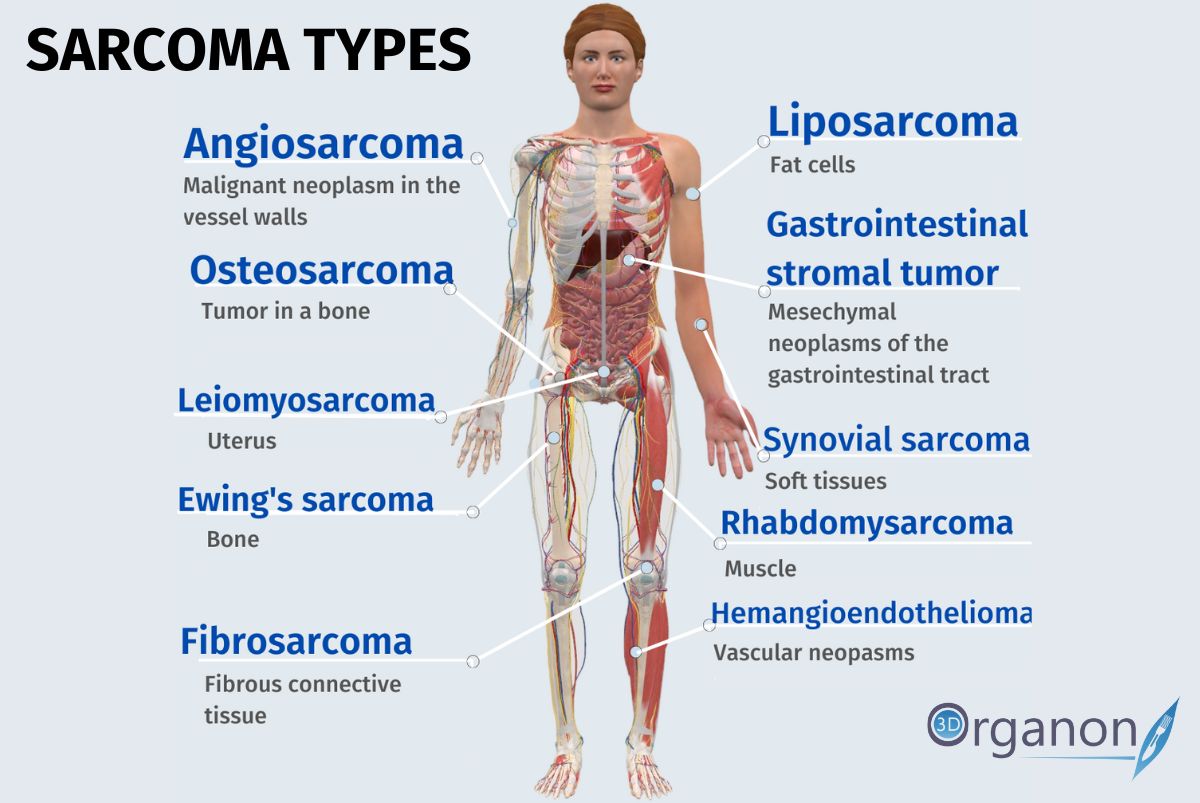
Fibrome Ou Sarcome : Mise au point sur les sarcomes utérins – GVUS